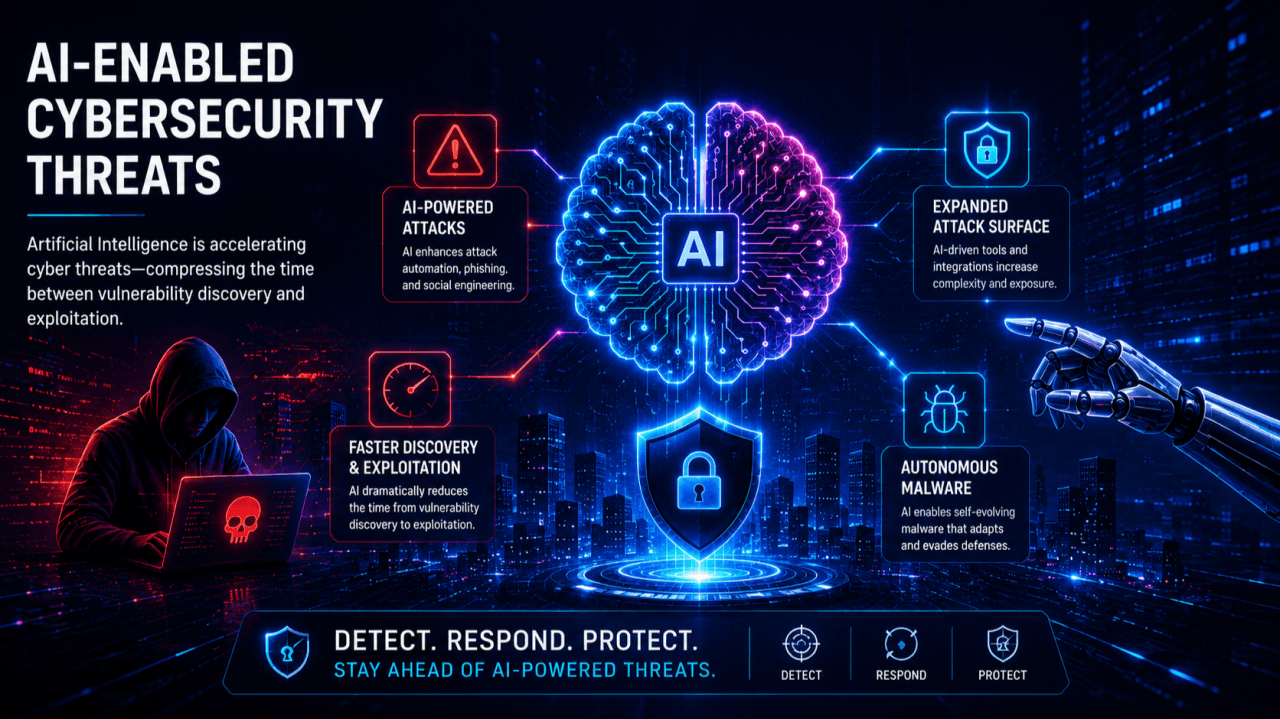
As quantum computing advances, discussions often focus on its revolutionary breakthroughs and cybersecurity implications. However, one of the most critical yet overlooked aspects is the human factor — the role individuals play in either securing or compromising quantum-based systems. Human errors, lack of awareness, and insider threats remain pivotal in shaping quantum security outcomes. This article explores how human involvement intersects with quantum cybersecurity and how organizations can foster a quantum-aware workforce.
Why the Human Factor Matters in Quantum Security
Quantum computing offers immense computational power, but its security infrastructure is only as strong as the people managing it. Quantum-resistant encryption, secure communication protocols, and post-quantum cryptographic measures can be undermined by simple human mistakes or insufficient training.
Key Human-Related Risks in Quantum Security:
- Lack of Awareness & Training — Many IT professionals are unfamiliar with quantum risks, leaving systems vulnerable. A lack of preparedness can delay transitions to post-quantum cryptography.
- Errors in Implementation — Human errors in configuring cryptographic tools or managing quantum-resistant algorithms can introduce major vulnerabilities.
- Insider Threats — Internal actors, whether negligent or malicious, can compromise even the most advanced quantum-secure infrastructure.
- Social Engineering Attacks — Attackers increasingly exploit human psychology rather than technical vulnerabilities. Quantum-era systems remain susceptible to traditional phishing and manipulation.
Bridging the Quantum Knowledge Gap
Building a quantum-secure future requires an educated workforce. Organizations must proactively ensure that their staff understands quantum computing's implications.
Strategies to Boost Quantum Awareness:
- Educational Programs — Agencies like NIST are rolling out cryptographic readiness programs to help companies prepare for quantum threats.
- Industry Collaboration — Joining cybersecurity forums and quantum working groups promotes knowledge-sharing and early adoption of best practices.
- Customized Training — Role-specific training for developers, engineers, and executives significantly reduces risk exposure.
- Simulation-Based Exercises — Preparing staff for realistic scenarios through red teaming and quantum breach simulations builds confidence and resilience.
Human Error: The Achilles' Heel of Quantum Security
Even with cutting-edge technology, human errors can lead to severe consequences in the quantum era.
Common Pitfalls:
- Mismanagement of Cryptographic Keys — Incorrect handling or accidental exposure of keys remains a primary security issue.
- Ignoring the "Harvest Now, Decrypt Later" Threat — Attackers are collecting encrypted data now with the intent to decrypt it when quantum computers become viable.
- Delayed Migration to Quantum-Safe Algorithms — Some enterprises are postponing their transition to post-quantum cryptography, increasing their risk profile.
To address these issues, companies should adopt automated security frameworks, embrace zero-trust models, and implement policy-based key management.
Insider Threats and Social Engineering in the Quantum Era
As organizations roll out quantum-safe systems, they must remain vigilant about internal threats and manipulation techniques.
Key Concerns:
- Malicious Insiders — Disgruntled or incentivized employees with access to sensitive systems pose a high risk.
- Negligent Behavior — Poor cybersecurity hygiene can unintentionally weaken a system's defenses.
- Third-Party Risks — Vendors without quantum awareness can introduce external vulnerabilities.
Mitigation Strategies:
- Implement strict access control mechanisms.
- Deploy AI-driven behavioral monitoring tools to detect anomalies.
- Launch continuous security awareness campaigns to reduce human-related vulnerabilities.
Building a Quantum-Secure Workforce
To successfully integrate quantum computing into secure infrastructures, companies must embed human-centered policies into their cybersecurity culture.
Key Recommendations:
- Appoint Quantum Security Officers to lead the transition.
- Conduct regular risk assessments focused on human factors.
- Introduce hands-on simulations and red team exercises.
- Cultivate a culture of cybersecurity accountability at every level.
These proactive measures not only strengthen defenses but also foster innovation in how teams adapt to quantum technologies.
Conclusion
The path to quantum resilience is paved not just by technology, but by people. As quantum computing reshapes the digital landscape, organizations that invest in human readiness will be best positioned to thrive. The human factor is not a liability — it's the linchpin of future-proof security.
References
- National Institute of Standards and Technology (NIST), "Post-Quantum Cryptography Standardization Project," 2023.
- Cybersecurity & Infrastructure Security Agency (CISA), "Social Engineering Attacks: Techniques and Prevention Tips," 2023.
- European Union Agency for Cybersecurity (ENISA), "Post-Quantum Cryptography Threat Landscape," 2023.