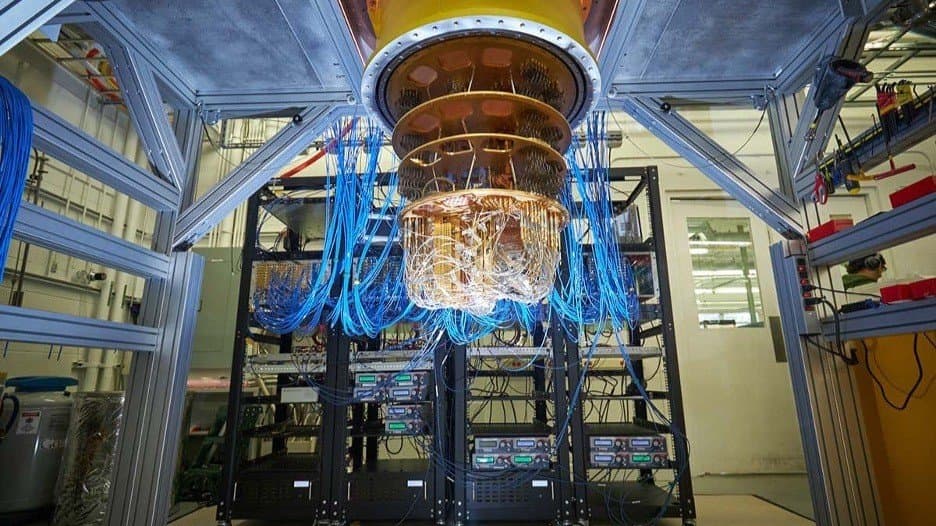
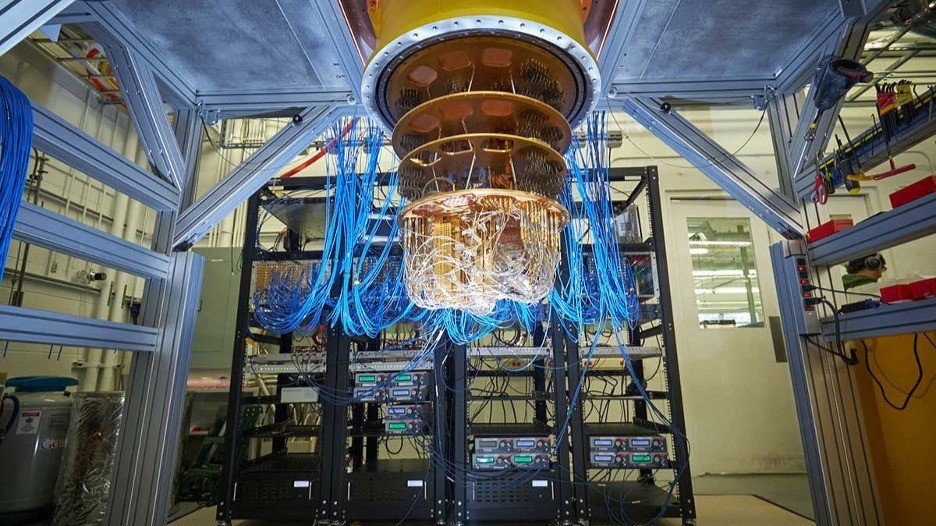
In the shadowed laboratories of tech giants and the secure facilities of intelligence agencies worldwide, a clock is ticking. It's not counting down to a cyber-attack or a software launch — it's marking time until quantum computers can break the cryptographic shields protecting our digital world. The NCSC's Annual Review 2024 pulls back the curtain on this approaching reality, revealing how August 2024's finalization of NIST's quantum-resistant algorithms (ML-KEM, ML-DSA, and SLH-DSA — FIPS 203, 204, and 205) isn't just another technical milestone. It's the starting signal for one of the largest cryptographic transformations in digital history.
When Today's Problems Meet Tomorrow's Threats
What makes this story notable: the organizations struggling with today's ransomware attacks are the same ones facing the coming quantum transition. The NCSC's Incident Management team handled 430 incidents requiring support over the review period — up from 371 the year before — and the findings reveal a crucial pattern: the fundamentals of cybersecurity aren't changing, they're scaling. Supply chain vulnerabilities, patch management challenges, and incident response capabilities aren't just today's problems; they're the foundation of quantum readiness.
The Invisible Shield We Take for Granted
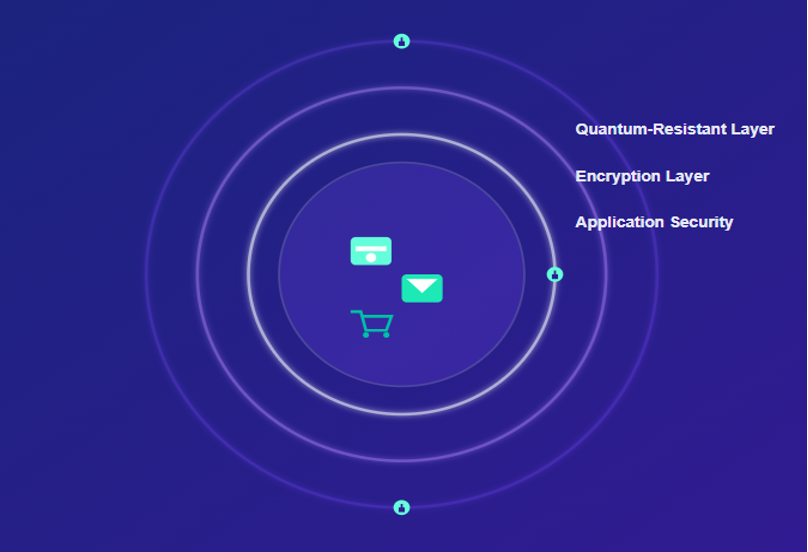
Every time you check your bank balance or send an encrypted email, you're relying on cryptographic protections that quantum computers could theoretically break one day. As the NCSC put it in its 2024 review, cryptography "is everywhere," yet "invisible to almost all users." That invisibility is exactly what makes the challenge so daunting — organizations are essentially trying to replace the foundations of a house while everyone's still living in it.
Today's Best Practices, Tomorrow's Survival Skills
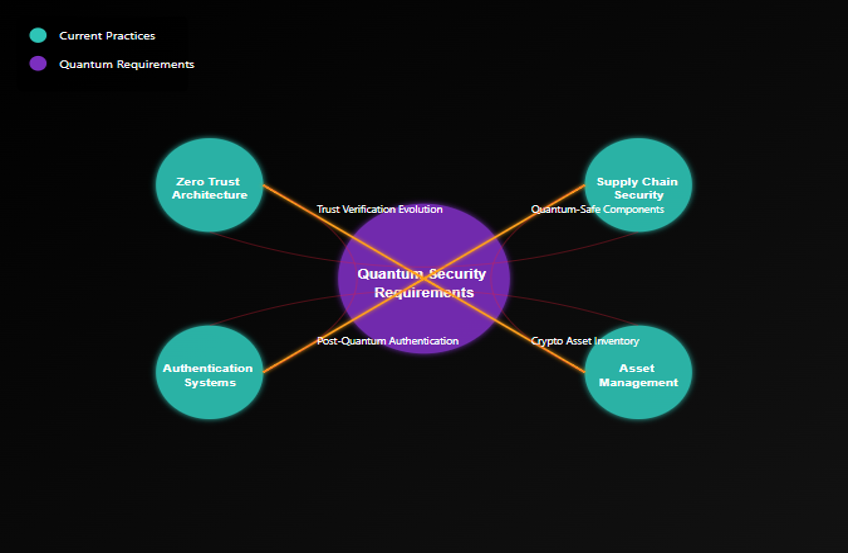
The NCSC's review reveals an unexpected connection: organizations successfully managing current security challenges are inadvertently preparing for the quantum future. Consider how:
- Zero trust architecture principles become even more critical in a post-quantum world.
- Current supply chain security practices are effectively rehearsals for quantum-resistant implementation.
- Today's authentication evolution from passwords to passkeys mirrors the broader quantum transition.
- Asset management capabilities built now will determine quantum cryptography inventory success later.
The Financial Sector's Warning Bell
Banks aren't waiting. The financial sector is already moving on quantum preparedness, driven by international regulation and competitive pressure. Their experience offers valuable lessons about managing complex security transitions — lessons that apply whether you're dealing with today's threats or preparing for tomorrow's quantum challenges.
Building the Bridge to Tomorrow
The NCSC's approach isn't just technical, it's ecosystem-wide. The agency is working to grow a network of accredited PQC consultancies, foster academic expertise, and coordinate with regulators to set realistic migration targets. This comprehensive strategy recognizes that quantum security, like current cybersecurity, requires a blend of technology, people, and process.
The Decade-Long Marathon
Perhaps most critically, this isn't a quick fix but a decade-long transformation. Organizations will go through multiple leadership changes and investment cycles during this period. The challenge isn't just technical implementation — it's maintaining momentum and building on current security practices over an extended timeline.
Your Role in the Quantum Future
The NCSC's message is clear: while quantum computers capable of breaking current encryption might be years away, the time to act is now. Organizations that recognize how their current security practices connect to quantum readiness aren't just preparing for a future threat — they're building stronger, more resilient security architectures that provide immediate benefits.
A Call to Action
As we stand at this technological crossroads, the NCSC's Annual Review 2024 offers a compelling vision: quantum preparedness isn't a separate challenge from current cybersecurity, it's an evolution of the same fundamental principles. Organizations that excel in today's security practices are laying the groundwork for quantum resilience.
The future of digital security is being written today. Are you connecting the dots between current best practices and quantum readiness?
Cystel is currently working on QAssure, a project focused on quantum assurance — check it out to learn more.