What if your next computer wasn't made of silicon, but DNA? What if artificial intelligence didn't just mimic the brain, but actually computed like one? Welcome to the convergence of biology, neuroscience, and quantum computing — where the impossible becomes inevitable.
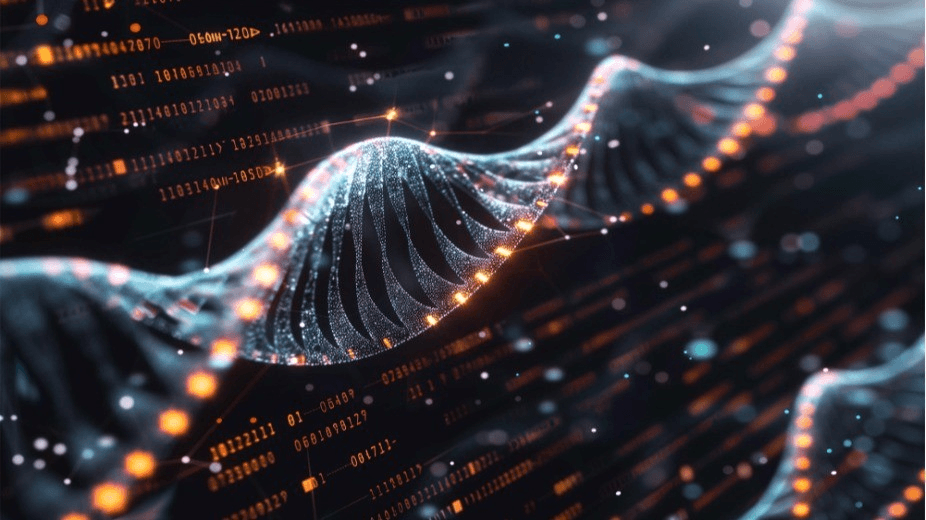
Researchers have demonstrated storing an entire library's worth of data in a single gram of DNA. Meanwhile, Intel's Loihi 2 chip is processing information far more efficiently than traditional computers by mimicking the human brain. This isn't science fiction — it's the dawn of bio-neuromorphic computing.
Nature's Code: The DNA Storage Revolution
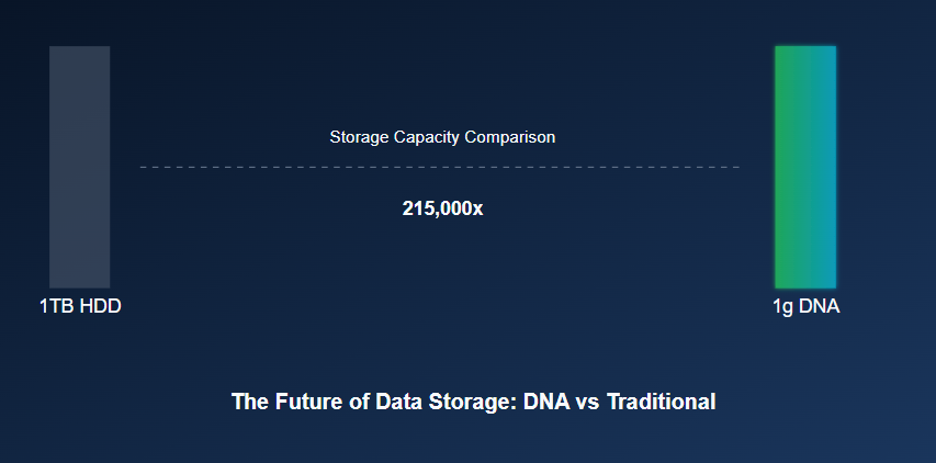
Traditional data centers are reaching their physical limits. Enter DNA storage: a single gram can theoretically hold 215 petabytes — equivalent to 215,000 1TB hard drives. When quantum computing enters this equation, we're not just storing data; we're creating living, breathing information systems that can process and adapt in real-time.
Thinking Like a Brain
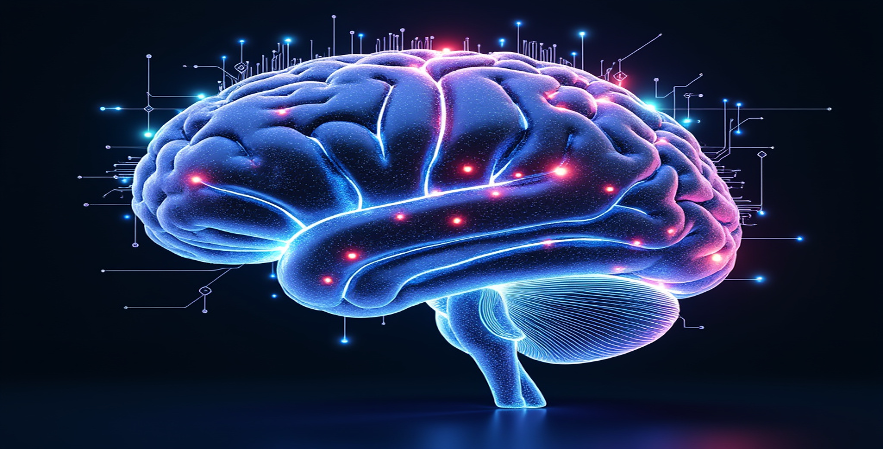
Intel's neuromorphic breakthrough isn't just about speed — it's about fundamentally reimagining computing. When quantum systems optimize these brain-like processors, we're creating machines that can learn, adapt, and evolve at unprecedented rates. This could meaningfully accelerate drug discovery timelines, potentially saving billions in research costs.
The Healthcare Revolution
Researchers are combining quantum computing with neuromorphic systems to create prosthetics that respond to thought with near-zero latency. This isn't just about replacing limbs — it's about enhancing human capabilities through bio-digital integration.
Ethical Horizons
Global consensus on bio-quantum ethics is essential to ensure equitable progress. Key considerations include:
- DNA data ownership and privacy rights
- Neuromorphic system alignment with human values
- Regulatory frameworks for bio-digital integration
Beyond Computing: Environmental Impact
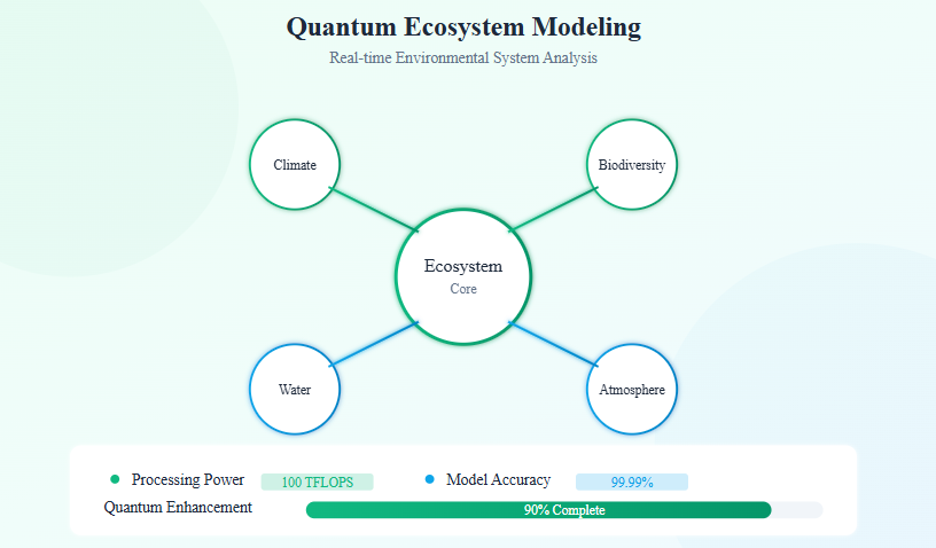
Work combining bio-computing with quantum algorithms isn't just advancing medicine — it's revolutionizing environmental protection. These systems can:
- Model ecosystem dynamics with unprecedented accuracy
- Predict and mitigate natural disasters
- Optimize global energy distribution
The Road Ahead
Research programs and startups are pushing boundaries daily. We're not just creating faster computers — we're building systems that think, heal, and evolve. The fusion of biological, neuromorphic, and quantum computing isn't just another technological step — it's the next stage of computational evolution.