Quantum computing is no longer a far-off possibility — it's fast becoming a present-day challenge, especially in cybersecurity. While tech giants are already preparing for the post-quantum world, small and medium-sized enterprises (SMEs) often remain unaware or underprepared. These businesses face significant risk when it comes to quantum-enabled cyberattacks.
Quantum threat modeling is an emerging discipline designed to help SMEs identify, assess, and mitigate cybersecurity risks related to quantum computing. Unlike traditional models that examine current threats, quantum threat modeling looks ahead to vulnerabilities that may emerge when quantum computers become capable of breaking today's encryption algorithms. The sooner organizations adopt this mindset, the better their chances of maintaining operational security and compliance in a rapidly evolving threat landscape.
Understanding the Quantum Threat Landscape

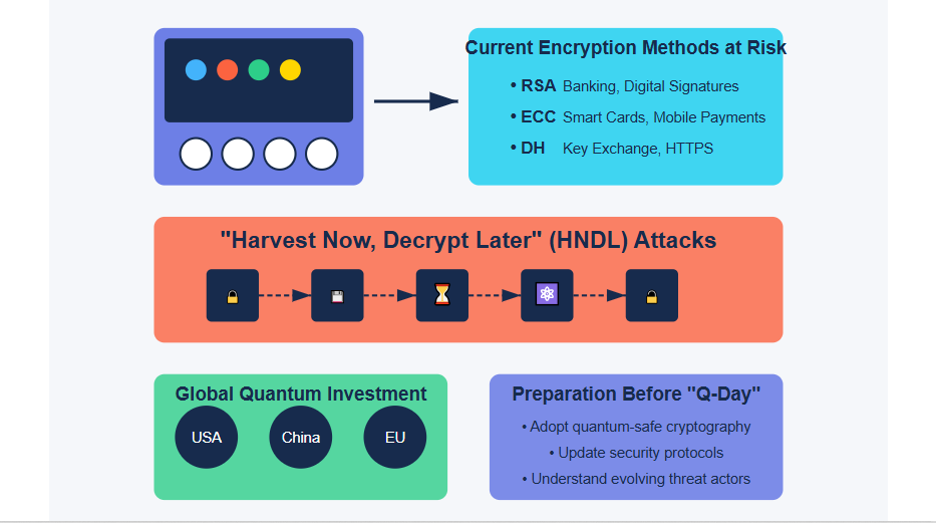
Quantum computers possess immense computational power, which could render widely used cryptographic protocols like RSA and ECC obsolete. These systems are the backbone of most internet-based communications, banking, and digital identity systems. While such powerful machines are not yet mainstream, experts warn that "harvest now, decrypt later" (HNDL) attacks are already underway. In these attacks, adversaries intercept and store encrypted data today, intending to decrypt it later once quantum capabilities are available.
Nations such as China and the U.S. are heavily investing in quantum computing initiatives, and cybersecurity experts agree that quantum-safe cryptography needs to be in place well before Q-Day arrives. For SMEs, this means understanding not just the technology, but also the evolving threat actors who may be leveraging quantum capabilities as part of state-sponsored operations or long-term data compromise strategies.
Why SMEs Must Act Now
Some SMEs believe that quantum computing is a problem for the future or for larger enterprises. However, this is a dangerous misconception. Quantum Day, or Q-Day — the point when quantum computers can break RSA encryption — could occur within the next 5–10 years.
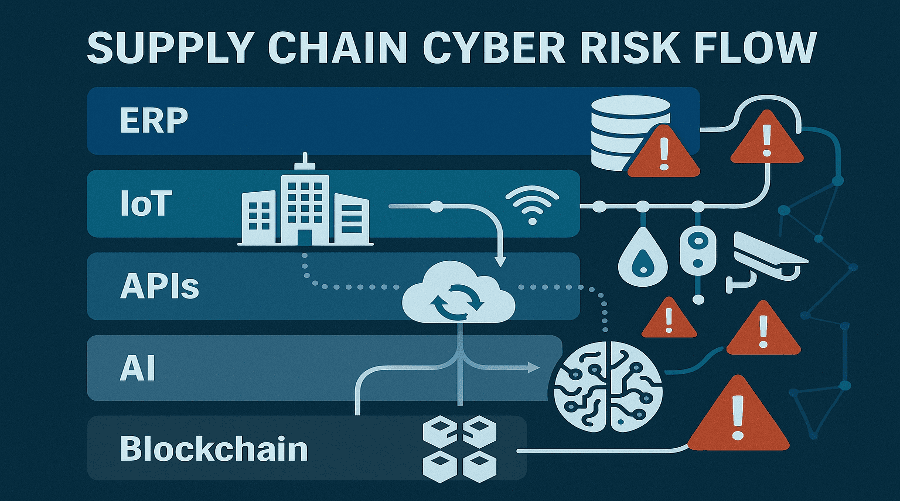
Moreover, SMEs are often part of larger supply chains, making them an appealing target for adversaries looking to compromise upstream or downstream partners. Unlike large corporations with dedicated quantum readiness teams, most SMEs still rely on legacy infrastructure and external vendors for cybersecurity, further increasing their exposure.
Consequences of Inaction:
- Data Breaches — Compromised customer and financial data, resulting in reputational and financial harm.
- Loss of Trust — Eroded client confidence can severely impact customer retention and acquisition.
- Compliance Violations — Penalties under regulations like GDPR, HIPAA, PCI-DSS, and national data privacy laws.
- Competitive Disadvantage — Falling behind in security-readiness may impact future partnerships and digital innovation.
Implementing Quantum Threat Modeling in SMEs
Quantum threat modeling for SMEs does not require starting from scratch. Frameworks and tools developed for traditional threat modeling, such as STRIDE, DREAD, or NIST SP 800-30, can be extended to accommodate quantum risks by layering in encryption exposure analysis and time-value sensitivity of data.
1. Conduct Asset Inventory and Classification
Identify all digital assets, including sensitive customer records, intellectual property, and partner data. Categorize data by sensitivity, regulatory requirements, and how long it needs to remain confidential (e.g., 5, 10, 20 years).
2. Assess Cryptographic Vulnerabilities
Audit cryptographic systems (e.g., VPNs, PKI, SSL/TLS, encrypted backups) and flag systems using RSA or ECC, which are susceptible to Shor's algorithm when quantum computers mature.
3. Evaluate Risk Exposure
Assess potential impact of data decryption in the future (e.g., archived contracts, health records, trade secrets), and consider scenarios involving quantum-enabled cybercriminals or advanced persistent threats (APTs).
4. Create a Quantum-Safe Migration Plan
- Short-Term — Start hybrid encryption using classical and post-quantum algorithms (e.g., Kyber, Dilithium).
- Mid-Term — Upgrade hardware and software infrastructure to be crypto-agile and compliant with future standards.
- Long-Term — Fully transition to quantum-safe cryptographic standards once standardized protocols are finalized by NIST.
Structured implementation should follow guidance from NIST and ENISA, as detailed frameworks and timelines continue to evolve.
5. Monitor Industry and Regulatory Changes

Stay aligned with efforts from NIST, ENISA, and ISO. Governments are increasingly incorporating quantum resilience into national cybersecurity strategies. The European Union's Digital Operational Resilience Act (DORA) and U.S. federal agencies have begun referencing quantum readiness in risk assessments.
Preparing for a Post-Quantum Future
Quantum computing may not be mainstream yet, but the time to prepare is now. Early adoption of quantum threat modeling ensures that SMEs can adapt quickly to regulatory mandates, prevent costly breaches, and protect client trust. Establishing a quantum-ready culture within your organization can also serve as a strategic differentiator.
Key Takeaways for SMEs:
- Quantum risks are not theoretical — they're already emerging.
- Start with asset classification and crypto assessment.
- Adopt hybrid and quantum-resistant encryption techniques.
- Use real-world frameworks and monitor NIST/ENISA guidance.
- Quantum readiness supports business continuity, compliance, and innovation.
Conclusion
Quantum computing poses a new frontier in cybersecurity, but SMEs are not powerless. By proactively adopting quantum threat modeling, even resource-constrained organizations can build resilience, reduce risk, and stay ahead of cyber adversaries. Forward-thinking companies are already engaging consultants, updating encryption standards, and participating in industry pilots for PQC.
Investing in quantum readiness today sends a clear message to customers, partners, and regulators: your organization is prepared, secure, and committed to future-proofing its digital operations.
References
- Keyfactor, "Harvest Now, Decrypt Later: A New Form of Attack," 2023.
- National Institute of Standards and Technology (NIST), "NIST Announces PQC Algorithm Standards," 2023.
- The Quantum Insider, "How Can SMEs Prepare for the Quantum Computing Era?," 2024.
- ENISA, "Quantum-Safe Security: Post-Quantum Cryptography," 2024.
- BizTech Magazine, "Cybersecurity in the Post-Quantum Era," 2024.
- ISO, "ISO/IEC 23837-1:2024 Information Security – Security Requirements for Post-Quantum Cryptography," 2024.